



Content
Clients may formulate exterior motives for entering treatment as “to get [someone] off my case.” External pushes are usually allied to some degree with positive pulls or motivation to change. The positive motives are often not strong enough in themselves to initiate or sustain compliance with treatment, but reinforcement through external pushes into treatment and therapeutic pressure within treatment may be effective in doing so. Even drug consumers who are badly impaired or severely pressed by legal https://onyourmark.org/faq/ or other problems are often ambivalent about seeking treatment. They may yield in the end only because pressure from family members, the law, deteriorated health, psychological stress, or a combination of such factors becomes too intense to deny. They may also find themselves impelled to seek treatment finally because attempts to relieve the pressure through other means, such as unassisted self-control, have proven futile. The best sobriety app is the one that works best for you and your needs.
What is the goal of treatment for opioid abuse?
Medications used in the treatment of opioid addiction support a person's recovery by helping to normalize brain chemistry, relieving cravings, and in some cases preventing withdrawal symptoms.
Most addiction apps on the market are either free or have a free component. You can search through the iPhone App Store or the Google Play Store to find one or more apps to support you throughout your recovery journey. This app also includes a meeting finder, a sobriety tracker, podcasts, and personal stories that can inspire and motivate you throughout your journey. Quitzilla offers many tools and features as other apps on this list, including a sobriety tracker and motivation content. What makes the app unique is that while continuing to help with your sobriety, it also enables you to break other bad habits. Based on Richard Walker’s bestselling book, this app gives users daily meditations to read whenever they feel like they need some extra support.
Setting Realistic Goals
You may recognize that you need certain types of help but feel reluctant to start intensive treatment methods like detox or inpatient rehab. Mutual support, 12-Step groups such as Alcoholics Anonymous, Narcotics Anonymous,
Cocaine Anonymous or more recent alternatives (e.g., Rational Recovery and Women
for Sobriety) are the backbone of many treatment efforts as well as a major form
of continuing care. While AA and related groups are widely used, the success of
this technique has not been rigorously http://myliverpool.ru/forum/31-1694-1 evaluated. Nevertheless, these fellowships
apparently help persons at any point in the recovery process to change old
behavior patterns, react responsibly to drug cravings, maintain hope and
determination to become and remain abstinent. Self-help groups can also help
people build a new social network in a community of understanding peers, find
satisfactory drug-free activities and recreational skills, establish healthy
intimate relationships, and avoid stressful social situations and environments.
But instead of feeling motivated to do the things you need to survive (eat, work and spend time with loved ones), such massive dopamine levels can lead to damaging changes that affect your thoughts, feelings and behavior. When you spend time with a loved one or eat a delicious meal, your body releases a chemical called dopamine, which makes you feel pleasure. It becomes a cycle; you seek out these experiences because they reward you with good feelings. Addiction to substances happens when the reward system in your brain “takes over” and amplifies compulsive substance-seeking.
Individualized Treatment
Indeed, it may be that the only resources these individuals possess, the threat of whose loss acts as an incentive, are their lives and their rights as citizens—even as second-class citizens from whom certain fundamental rights have already been withheld, as in the case of parolees. In other words, for socially disadvantaged individuals who are heavily involved in drug use and whose positive personal assets are limited, avoiding a long stretch in prison may be the only motivational counterweight strong enough, at the outset, to balance the lure of easily available drugs. The ethical and civil rights implications of this inequality between the well-off and the disadvantaged are troubling; nevertheless, this description accurately depicts the current state of affairs. If you are recovering from a substance use disorder, and you are in the first year of sobriety, the idea of setting goals in recovery can feel very overwhelming.
- As already noted, these
programs can vary from ambulatory methadone maintenance treatment to drug-free
approaches. - If you or a loved one has substance use disorder, talk to a healthcare provider as soon as possible.
Chris is a storyteller and aims to share his story with others in the hopes of helping them achieve their own recovery. Like other sobriety apps, SoberTool helps you track the number of sober days you have achieved. You can also set it up to send notifications and daily motivational messages. WEconnect allows you to schedule routines to earn rewards for important goals achieved. Counselors and other addiction specialists can use the app to monitor patient progress. Addiction is a problem that can affect people of any age and background.
Remember to Focus On Your Own Goals
The frequency and length
of sessions is usually tapered as patients demonstrate progress, less risk of
relapse, and a stronger reliance on drug-free community supports (American Psychiatric Association, 1995). Because a large proportion of the available research literature on patterns of drug treatment motivation is drawn from studies of heroin addicts entering methadone residential treatment in the 1970s, caution should be used in generalizing those findings to drug users of today. The heroin addict was distinguished largely by a strong preference for that drug, assuming its availability. Patients entering residential and methadone programs today are similar to those of earlier years but generally have higher levels of nonopiate use, especially cocaine.
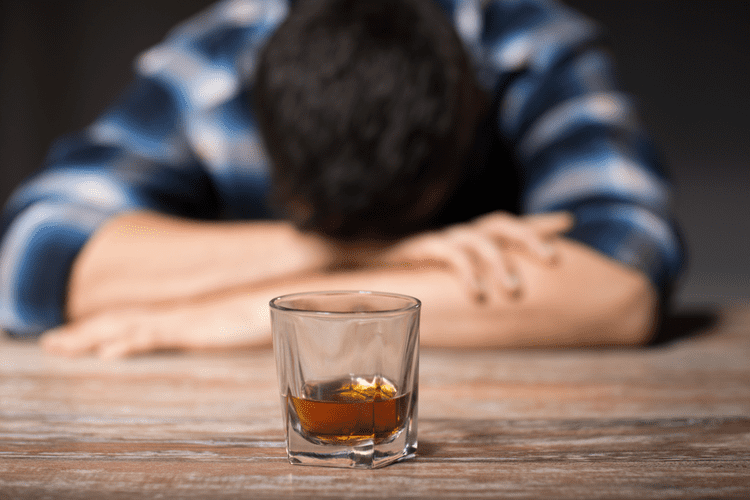
The idea of setting weight loss goals, quitting smoking, saving money, getting out of debt, changing jobs, or going back to school can feel next to impossible. It is best to overcome these obstacles first before you attempt to tackle any major goals. Recovery should always be a top priority, but this is especially true in the first year of sobriety.
Adult Children of Alcoholics: Discussion Questions
Addicts who have long-term outpatient support are less likely to relapse than those who don’t. If your substance addiction is a stress response, CBT will help you learn how to manage your stress without substances. You’ll learn new life skills including conflict resolution skills, communication skills, self-calming skills, and how to find balance in your life. Medications can help modify your brain chemistry to help treat certain SUDs. As people with SUD often have co-occurring mental health conditions, treating them together rather than separately is generally better. In the past, healthcare providers, organizations and members of the public often used the terms “addiction/addict,” “abuse/abuser” and “dependence” when referring to substance use.

Pressure from the criminal justice system is the strongest motivation reported for seeking public treatment. Those who entered outpatient and residential programs in a 1979–1981 national sample of public program admissions were directly referred by the criminal justice system about 40 percent of the time. Direct referral, however, is clearly a conservative measure of the broader influence of criminal justice pressure (Anglin et al., 1989b). Between one-half and two-thirds of admissions to these modalities had some form of legal supervision such as parole or probation. Very few methadone clients—less than 3 percent—were directly referred by justice agencies in the 1979–1981 sample (Allison et al., 1985; Hubbard et al., 1989), but probation or parole status was quite common.
Publications & Resources
Seeking medical care as soon as you have signs of substance use disorder is essential. At Silvermist Recovery Center, you can experience one on one care and a customized treatment plan. In some cases, Addictions.com could charge a small cost per call, to a licensed treatment center, a paid advertiser, this allows Addictions.com to offer free resources and information to those in need by calling the free hotline you agree to the terms of use.
What are smart goals in recovery?
The SMART goals acronym stands for Specific, Measurable, Attainable, Relevant and Timely. A SMART goal is all of these things.