How Much Does Sober Living Cost?

Colorado Newsline provides fair and accurate reporting on politics, policy and other stories of interest to Coloradans. Moe Clark is a freelance journalist and former Colorado Newsline reporter who covered criminal justice, housing, homelessness and other social issues. Their community-centered model focused on care and restorative justice is what Taylor hopes the state’s decades-old community correction system evolves into.

All of the individuals that live in a sober living facility are new to addiction recovery. Thus, it’s usually a requirement within sober living homes for residents to abstain from alcohol or drugs while living there. This helps sober living home residents get a break from the temptations to abuse substances that they must constantly face while functioning in society. Residents of halfway houses will likely be required to attend therapy or 12-step program meetings as part of the house requirements, but halfway houses themselves do not provide addiction treatment. Instead, they serve as a safe and supportive environment where recovering addicts can continue to work on their early sobriety. As you most likely know already, hundreds of thousands of individuals throughout the country struggle with substance abuse or alcohol addiction.

How to Pay for Sober Living

Residents can find employment more efficiently and have a greater chance of securing a stable income to support their social transition. Facilities located near hospitals, clinics, and rehabilitation centers may have higher costs due to the convenience and accessibility of healthcare services for the residents. The quality of services offered is a significant factor in determining its cost.

  • Other times, organizations may need to be continually looking for grants for funding.
  • For example, it’s very common for sober living homes to offer their residents assistance with applying to and interviewing for jobs.
  • Additionally, some sober living homes offer financial aid and sliding payment scales.
  • The same general rules apply to sober living homes as they do in halfway houses.

Sober houses, on the other hand, don’t require their residents to receive addiction treatment since they’ve already recently completed rehab. Instead, sober living homes offer their patients additional addiction therapy services. https://ecosoberhouse.com/ Sober living homes also provide their residents with 12 step meetings, regular house meetings, and addiction recovery sponsors. While the rent for halfway houses vary, there is usually some sort of cost to live in them.

Amenities and Their Influence on Expenses

But historically, very little data about halfway houses has been available to the public, even though they are a major feature of the carceral system. Even basic statistics, such as the number of halfway houses in the country or the number of people living in them, are difficult to impossible to find. Such an agreement also helps sober living home residents practice abstaining from substances while functioning in the real world. Many chapters do, like Washington DC, Columbus, Nebraska and Northwest Florida.

who pays for a halfway house

Jessica graduated from the University of South Florida (USF) with an English degree and combines her writing expertise and passion for helping others to deliver reliable information to those impacted by addiction. Informed by her personal journey to recovery and support of loved ones in sobriety, Jessica’s empathetic and halfway house activity authentic approach resonates deeply with the Addiction Help community. Some recovering addicts may struggle with too much freedom and need more of a residential rehab center’s structure. Every halfway house will have its own set of house rules, but these house rules tend to be relatively common amongst halfway homes.

Sober House

Having the affiliation with a treatment center is to keep accountability with the residents and have structure throughout the sober living house and clinical therapy. Sober living homes often require you to attend 12 step recovery meetings and get a sponsor to begin your step work. To provide a full continuum of care, Greenhouse offers a sober living facility called Resolutions Arlington. Open to people who have completed addiction treatment with us, and those in the community who need transitional living, Resolutions Arlington could be just the thing you need to help continue your recovery journey successfully. Sober living houses, also known as recovery homes, are somewhat different from halfway houses.

Who licenses sober living homes in Arizona?

Anyone who is operating a facility that meets the statutory definition of a sober living home must obtain a license from ADHS to operate legally in Arizona. A.R.S. §36-2061(3) defines a sober living home as: “…

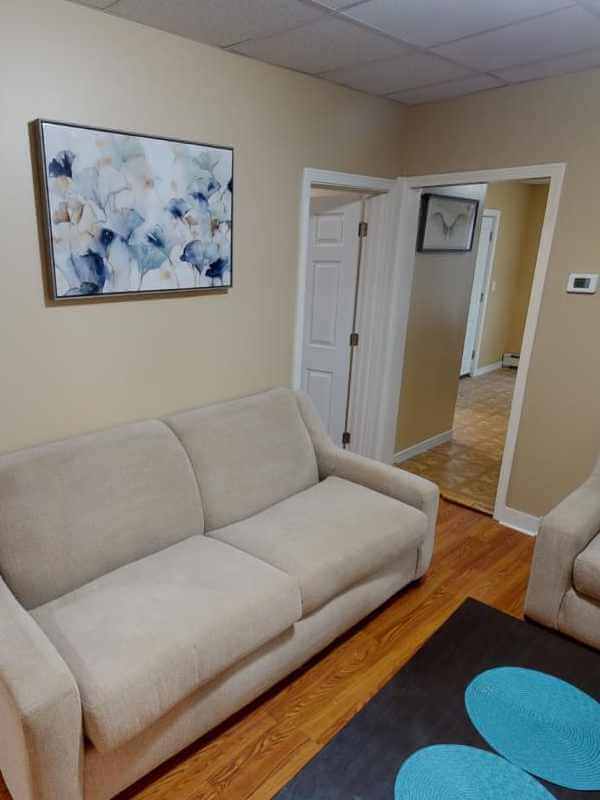
Halfway houses do provide services to tenants, but they are also housing; most tenants would be paying for housing otherwise, and consequently do have a budget available for that. Regardless, most facilities are also cheaper or more affordable than traditional rent venues because they are partly subsidized through government grants, and because many tenants will not be able to pay full rent. There can be houses as low as $400 a month and halfway houses as high as $10,000 a month, dependent on the area and the amenities that are provided. And because of that, you do have some control over the type of sober living facility that you run.

Sober Living Homes

Whether you are getting ready to leave a sober living home and go to a halfway house or researching for the next step you want to take after treatment, it’s best to listen to the professionals. If you are leaving an inpatient or PHP program, we recommend your next step is to go to a sober living home and continue treatment in an IOP program. When you are transitioning to a sober living home affiliated with an IOP program near you, ask your case manager to help you formulate the best aftercare plan.
Most people with alcohol and drug addiction survive : NPR

It’s important to develop a structured daily and weekly schedule and stick to it. The symptoms involved in PAWS can be a barrier to recovery if you’re not careful. In addition to being able to recognize them, it’s important to know when to seek help. However, research suggests that while 12-step groups are effective, people often don’t continue their involvement at beneficial levels over the long term. John C. Umhau, MD, MPH, CPE is board-certified in addiction medicine and preventative medicine. For over 20 years Dr. Umhau was a senior clinical investigator at the National Institute on Alcohol Abuse and Alcoholism of the National Institutes of Health (NIH).

sobriety from drugs

Detoxification alone without subsequent treatment generally leads to resumption of drug use. Regular exercise, adequate sleep, and healthy eating habits help you keep your energy levels up and your stress levels down. The more https://www.healthworkscollective.com/how-choose-sober-house-tips-to-focus-on/ you can stay healthy and feel good, the easier it will be to stay sober. When experiencing a craving, many people have a tendency to remember only the positive effects of the drug and forget the negative consequences.

In defense of being ‘Cali sober’

Therapists may use a variety of techniques including Motivational Enhancement Therapy (MET), Cognitive Behavioral Therapy (CBT), and Dialectal Behavioral Therapy to help patients deal with trauma and change their behaviors. Other newer groups are more science-based including Self-Management and Recovery Training (SMART). In this initial stage, a person will not consider their substance abuse to be a problem.

  • When they can identify the signs of a potential relapse and get help before that happens, this could help prevent a relapse.
  • Groups are based on the 12-step principles of Alcoholics Anonymous (AA), and have attendees share stories and build supportive networks to help one another cope with the difficulties of having a loved one experience an alcohol use disorder.
  • When a person has realized they have a problem, they have reached this stage.
  • One may yearn for a perfect world in which we would all do yoga, eat tofu, and meditate, where no one feels the need to rely on a drug or a substance to help get us through the day.

He was also able to convince his insurance company to pay for longer-term treatment. Similarly, the roughly 95,000 deaths each year in the U.S. attributed to alcohol represent a fraction of high-risk drinkers. While tragic, the 100,000 fatal drug overdoses last year actually claimed the lives of a tiny percentage of the 31.9 million Americans who use illegal drugs. Researchers say this data — and this lived experience — contradicts a widespread misperception that substance-use disorder is a permanent affliction and often fatal.

NA and Other Peer Support Groups for Drug Addiction

Staff provide safe, twenty-four-hour monitoring, observation, and support in a supervised environment for patients. Shown in research to be less effective than “assertive linkages” (which actively link a patient through personal contact with the service) in increasing patients’ engagement in continuing care and recovery support services. Nar-Anon is a mutual help organization or peer support group for people who have been affected by a loved one’s drug use disorder. Groups are based on 12-step principles and practices and have attendees share stories and build supportive networks to help cope with the difficulties of having a loved one with a drug use disorder.

For many people with substance abuse, this stag may include a detox or enrollment in a treatment center or program. This stage also includes addressing many of the underlying causes of a person’s addiction. However, they are also still acutely aware of the benefits they perceive from alcohol or drug addiction.

What is the Difference Between Recovery and Sobriety?

Research shows that if you maintain these types of toxic relationships, your chances of relapsing are greater. To avoid relapse and remain sober, it’s important to develop healthy relationships. Some of the immediate changes you will need to make will be obvious—like not hanging around the people that you used with or obtained drugs from. After all, you can’t hang around your drug dealer or old drinking buddies and expect to remain sober for very long. It is estimated that up to 80% of those who find long-term sobriety had at least one relapse along the way. Some people experience many setbacks before they find lasting recovery.

Sobriety testing is typically used to assess one’s level of intoxication. Measuring sobriety entails observing physical appearance while an individual completes tasks to determine coordination. In some instances, clinical tests are carried out to ascertain the level of substances in the bloodstream. Chronic addiction causes functional and structural changes in the brain. The modern understanding of sobriety is almost identical to these precepts of Alcoholics Anonymous, perhaps fueled by the rapid and widespread success of AA.

Other tests involving the eyes, such as the horizonal gaze test, are used by law enforcement to help determine if a person may be intoxicated. Sobriety can also be defined as refraining from alcohol or psychoactive substance use. Less frequently, however, sobriety can also be interpreted as moderate alcohol or substance usage with no overt signs of intoxication. To learn more about how our recovery center can help you, please reach out to our friendly admissions team today. Shun toxic relationships and build as many new sober relationships as possible.

What it feels like to be sober?

Your emotions can shift a great deal while you're getting sober. After quitting drugs or alcohol, you may feel more irritable, anxious, or depressed. The first year of sobriety can be challenging, and many people experience a mix of emotions. However, after a year of sobriety, most people report improved mental health.

A negative consequence occurring following a behavior with the intention of decreasing the frequency of the behavior. Proposed by Richard Jessor in 1991, Problem Behavior Theory is a conceptual framework that examines factors leading to adolescent substance use. The theory proposes that Top 5 Tips to Consider When Choosing a Sober House for Living behavior is tied to goals, and adolescent substance use results when a teen holds goals and values that are unconventional or do not align with typical social values of society. Medications available to consumers only with a specific written authorization from a healthcare provider.

Depending on the type of substance used, the quantity of use, the frequency of use, the duration of use, and other factors, withdrawal symptoms will be different on a case by case basis. Some common physiological withdrawal symptoms may include nausea, hot and cold sweats, restlessness, vomiting, diarrhea, insomnia, and muscle aches to name a few. Withdrawal from substances such as alcohol and benzodiazepines (Xanax, Ativan, Klonopin, Etizolam, etc.) can even be deadly and/or cause seizures. Quitting drugs/alcohol will not completely remove the negative and selfish habits from our addiction.

  • Immediate, short-term medically managed or monitored care, lasting up to 31 days in length.
  • Finding something that gives a person meaning in their life or something that they are passionate about helps prevent boredom.
  • Talk to your therapist, other healthcare provider, or sponsor about how to deal with your anger in ways that won’t cause you to harm yourself or others or turn to alcohol or drugs.

Enrolling in a sober living program after completing your drug rehab program can be great. It can also provide a structure that will help you create a new lifestyle in recovery. It can help fill your free time with group activities, volunteer work, job hunting, and other essential life activities. Unfortunately relapse rates for individuals who enter recovery from a drug or alcohol addiction are quite high.

Contemplation Stage

Engaging with rehab will have shown you that you cannot always be strong and that you will sometimes need to ask for help. Everyone faces unique challenges with addiction and there is no fixed blueprint for sobriety. That said, these simple pointers should show you that sobriety means a lot more than just putting down the bottle and not picking it up again. You’ll need to remain vigilant, paying close attention to how you feel as well as developing sharper situational awareness to protect yourself from temptation.

Does sobriety get easier?

When you push your way through the most difficult parts of life, things eventually begin to look up again. Sure, recovery still ebbs and flows. Some days are harder than others, but for the most part, it's gotten easier to be a person living a sober life.

Differences in Sober Living Homes, Rehabs, & Halfway Houses

We then expand on the findings by considering potential implications of SLHs for treatment and criminal justice systems. We also include a discussion of our plans to study the community context of SLHs, which will depict how stakeholder influences support and hinder their operations and potential for expansion. These measures were taken from Gerstein et al. (1994) and labeled Peak Density and 6-month abstinence. Peak Density is the number of days of any substance use (i.e., any alcohol or drug) during the month of highest use over the past 6 months (coded 0-31). Six-month abstinence was a dichotomous yes/no regarding any use of alcohol of drugs over the past 6 months. Some houses have a “residents’ council,” which functions as a type of government for the house.

sober living facility

For one, residents of halfway houses must have completed or be in a formal rehab program before they can move in. Furthermore, residents can only live in a halfway house for a specified period, after which they must leave. On the other hand, there is no limit to how long a person can stay in a sober living home. A resident can stay in a sober living house for as long as they follow house rules and meet their financial obligations. Meanwhile another difference is that halfway houses rely on government funding, insurance, or charitable donations to provide subsidized accommodation. In turn, the halfway house accepts patients from public rehab programs or clients from private rehabs affiliated with the house.

Pros and Cons of Sober Living

In the communal home, residents must pay their own way and may be required to take on more responsibility than they would in a rehab center. For example, members must often pay for rent and hold a steady job or attend school. They must also contribute to the community by helping with chores, taking responsibility for their actions, and respecting and obeying all house rules. In our comprehensive guide, we share the truth about sober living homes, including what it is like living in a sober house and how it factors into the long-term recovery process. Over the years, sober living houses have evolved to meet the needs of those in recovery. As such, sober living associations now make finding a residence easier.

When you’re embarking on the first steps toward recovery, it’s easy to feel overwhelmed by the jargon of the addiction treatment world. Terms like “inpatient,” “partial-hospitalization,” and “medically-managed” may be different terms that you’re accustomed to in daily life, but are common to the world of addiction treatment. Some sober living situations offer life skills classes where you might learn to cook, for example. Others will have extensive career support, helping their residents get back out into the workforce. Most of them will encourage participation in a relevant support group or 12-step program. Addiction is a complex issue, and recovery is a continuous commitment.

Sober living house

In fact, some sober living homes use peer-led programming and focus on mutual accountability, while others have staff members who lead programming. While there isn’t an exact length of time that everyone should stay in one of these programs, you definitely shouldn’t leave before you’re ready. According to the National Institute on Drug Abuse, 90 days of treatment is a fair general starting point for people beginning a recovery journey, regardless of treatment type. However, this is dependent on the type of substance use disorder at hand, and NIDA also recommends longer treatment for seeing lasting positive results.

sober living facility

Rarely do sober living homes mandate a specific minimum length of stay, unless you are there as a requirement of probation or parole. In many sober living homes, if you follow the rules, you can stay as long as you feel you need to. If need be, we pair you with someone who has worked in addiction treatment for a long time. Someone who understands how it feels to take that next step in life.

Avoid Relapse During Addiction Recovery

These are residential facilities that provide structure and support for those healing from addiction. They are designed to be a transitional space from residential treatment to mainstream society. Both sober living homes and halfway houses (HHs) are bridges for persons in recovery.

Routine and structure are important safety steps in becoming confident and secure in sobriety. One of the most valuable benefits is the peer support that these homes provide. Learning from others who have been living a life without drugs or alcohol is a key foundation for many 12-step programs. Having sober house this support available 24/7 after leaving rehab is invaluable. Our experienced team of professionals is able to answer your questions regarding our sober living houses. Contact us today to learn more and see if our residences can help you continue your recovery from drug and alcohol addiction.

Effectiveness of Going to a Sober Living House

This is achieved through required sobriety, recovery group attendance, and household participation. Those who live in these houses rent rooms indefinitely and live a life in accordance with their responsibilities, like work and school. Sober housing is the least formal among sober living homes in Florida and provides the least level of support for sobriety. This type of home is best-fit for persons with a strong external support group, jobs, education, or skills that can help them become self-sufficient when they leave the residence. 12-step meetings and in-house meetings are where residents learn about how other people have faced their addiction and maintained sobriety.

How many days is 3 years sober?

Three years is 156 weeks or 1095 days without a drop of alcohol, bar that one time I accidentally had a swig of shandy thinking it was alcohol-free beer, but I've let that one go.

Sober living home programs offer recovering addicts a drug-free living situation in a supportive environment. Residents of sober living facilities are responsible for contributing to the household and usually must attend 12-step meetings or similar support groups during their stay. Sober living homes and halfway houses are frequently confused and for good reason. There is a lot of overlap in the function of these homes, as the main goal of both is to keep residents abstinent from drugs and alcohol. While these facilities maintain much in common, there are key differences in the formation, funding, regulations and logistical aspects of sober living vs. halfway houses.

Can I drink alcohol while on levofloxacin?

When metronidazole inhibits the enzyme aldehyde dehydrogenase, the levels of acetaldehyde accumulate in the blood. An occasional drink with fluoroquinolone can be safe, but regularly drinking alcohol may cause central nervous system side effects. In rare cases, people may experience seizures with fluoroquinolone treatment.

Since having alcohol in your system can also cause these symptoms on its own, using both antibiotics and alcohol together increases your risk of these side effects. Nitroimidazoles, including metronidazole, tinidazole, and secnidazole, are often used for parasitic or anaerobic bacterial infections. How antibiotics react with alcohol can differ by type of drug.

Is it Safe to Drink While Taking Levofloxacin?

The interaction between metronidazole and alcohol is widely discussed as the cause of unpleasant disulfiram-like side effects. Various classes of antibiotics are prescribed to treat bacterial infections. One of the most common concerns when taking antibiotics is whether alcohol can still sober house be consumed during treatment. While not all antibiotics interact with alcohol, some do, and the potential side effects can range from mild to severe. Generally, it’s best to practice caution and speak with a healthcare provider about drinking alcohol while on these antibiotics.

  • Lauren aims to connect people with the information and resources to live their healthiest, fullest life.
  • First, both have addictive substances that can harm your body.

Unlike other treatment programs, we know that everyone who comes to us has a unique life experience. About 70 percent of American adults drink alcohol at least once in a while, and research suggests that 10 percent drink daily. About twice as many men as women have had at least one adverse life event related to alcohol. An event may not amount to more than an argument with a family member, but many results in more serious outcomes. Package labels warn you not to use either drug with alcohol, and you take a risk when you ignore them.

Levofloxacin – Uses, Side Effects, and More

Ask your healthcare professional how you should dispose of any medicine you do not use. Keep using this medicine for the full treatment time, even if you feel better after the first few doses. Your infection may not clear up if you stop using the medicine too soon.

The most common example is metronidazole; however, tinidazole and secnidazole are also members of this class. Recent data do not support that nitrofurantoin and alcohol causes a disulfiram-like reaction or other adverse reactions/toxicities. Historical studies have suggested that alcohol use with nitrofurantoin resulted in a disulfiram-like reaction (40,–42). Newer reports have shown this reaction to be erroneous (43). Likewise, a study found that alcohol did not cause a disulfiram-like reaction with nitrofurantoin in volunteers (44). To our knowledge, there are no data available of the efficacy/toxicity or ADR of tetracycline.

Guarding Against Alcohol-Drug Interactions

Although nausea is a common side effect of both antibiotics and alcohol, not all people will experience this when using both at the same time. Nausea is a common side effect of antibiotics, and drinking alcohol may worsen this symptom in some people. Although the risks of consuming alcohol may be lower with some types of antibiotics than others, it is still advisable to avoid alcohol intake while taking any antibiotics. Drinking too much makes your body subject to attack by disease. Chronic drinkers face a greater risk of getting pneumonia or tuberculosis than those who drink less. However, as you try to recover from a UTI attack, alcohol makes it more difficult.

levofloxacin and alcohol

Common Therapy Goals in CBT for Addiction

Clients may formulate exterior motives for entering treatment as “to get [someone] off my case.” External pushes are usually allied to some degree with positive pulls or motivation to change. The positive motives are often not strong enough in themselves to initiate or sustain compliance with treatment, but reinforcement through external pushes into treatment and therapeutic pressure within treatment may be effective in doing so. Even drug consumers who are badly impaired or severely pressed by legal https://onyourmark.org/faq/ or other problems are often ambivalent about seeking treatment. They may yield in the end only because pressure from family members, the law, deteriorated health, psychological stress, or a combination of such factors becomes too intense to deny. They may also find themselves impelled to seek treatment finally because attempts to relieve the pressure through other means, such as unassisted self-control, have proven futile. The best sobriety app is the one that works best for you and your needs.

What is the goal of treatment for opioid abuse?

Medications used in the treatment of opioid addiction support a person's recovery by helping to normalize brain chemistry, relieving cravings, and in some cases preventing withdrawal symptoms.

Most addiction apps on the market are either free or have a free component. You can search through the iPhone App Store or the Google Play Store to find one or more apps to support you throughout your recovery journey. This app also includes a meeting finder, a sobriety tracker, podcasts, and personal stories that can inspire and motivate you throughout your journey. Quitzilla offers many tools and features as other apps on this list, including a sobriety tracker and motivation content. What makes the app unique is that while continuing to help with your sobriety, it also enables you to break other bad habits. Based on Richard Walker’s bestselling book, this app gives users daily meditations to read whenever they feel like they need some extra support.

Setting Realistic Goals

You may recognize that you need certain types of help but feel reluctant to start intensive treatment methods like detox or inpatient rehab. Mutual support, 12-Step groups such as Alcoholics Anonymous, Narcotics Anonymous,
Cocaine Anonymous or more recent alternatives (e.g., Rational Recovery and Women
for Sobriety) are the backbone of many treatment efforts as well as a major form
of continuing care. While AA and related groups are widely used, the success of
this technique has not been rigorously http://myliverpool.ru/forum/31-1694-1 evaluated. Nevertheless, these fellowships
apparently help persons at any point in the recovery process to change old
behavior patterns, react responsibly to drug cravings, maintain hope and
determination to become and remain abstinent. Self-help groups can also help
people build a new social network in a community of understanding peers, find
satisfactory drug-free activities and recreational skills, establish healthy
intimate relationships, and avoid stressful social situations and environments.

But instead of feeling motivated to do the things you need to survive (eat, work and spend time with loved ones), such massive dopamine levels can lead to damaging changes that affect your thoughts, feelings and behavior. When you spend time with a loved one or eat a delicious meal, your body releases a chemical called dopamine, which makes you feel pleasure. It becomes a cycle; you seek out these experiences because they reward you with good feelings. Addiction to substances happens when the reward system in your brain “takes over” and amplifies compulsive substance-seeking.

Individualized Treatment

Indeed, it may be that the only resources these individuals possess, the threat of whose loss acts as an incentive, are their lives and their rights as citizens—even as second-class citizens from whom certain fundamental rights have already been withheld, as in the case of parolees. In other words, for socially disadvantaged individuals who are heavily involved in drug use and whose positive personal assets are limited, avoiding a long stretch in prison may be the only motivational counterweight strong enough, at the outset, to balance the lure of easily available drugs. The ethical and civil rights implications of this inequality between the well-off and the disadvantaged are troubling; nevertheless, this description accurately depicts the current state of affairs. If you are recovering from a substance use disorder, and you are in the first year of sobriety, the idea of setting goals in recovery can feel very overwhelming.

  • As already noted, these
    programs can vary from ambulatory methadone maintenance treatment to drug-free
    approaches.
  • If you or a loved one has substance use disorder, talk to a healthcare provider as soon as possible.

Chris is a storyteller and aims to share his story with others in the hopes of helping them achieve their own recovery. Like other sobriety apps, SoberTool helps you track the number of sober days you have achieved. You can also set it up to send notifications and daily motivational messages. WEconnect allows you to schedule routines to earn rewards for important goals achieved. Counselors and other addiction specialists can use the app to monitor patient progress. Addiction is a problem that can affect people of any age and background.

Remember to Focus On Your Own Goals

The frequency and length
of sessions is usually tapered as patients demonstrate progress, less risk of
relapse, and a stronger reliance on drug-free community supports (American Psychiatric Association, 1995). Because a large proportion of the available research literature on patterns of drug treatment motivation is drawn from studies of heroin addicts entering methadone residential treatment in the 1970s, caution should be used in generalizing those findings to drug users of today. The heroin addict was distinguished largely by a strong preference for that drug, assuming its availability. Patients entering residential and methadone programs today are similar to those of earlier years but generally have higher levels of nonopiate use, especially cocaine.

goals of substance abuse treatment

The idea of setting weight loss goals, quitting smoking, saving money, getting out of debt, changing jobs, or going back to school can feel next to impossible. It is best to overcome these obstacles first before you attempt to tackle any major goals. Recovery should always be a top priority, but this is especially true in the first year of sobriety.

Adult Children of Alcoholics: Discussion Questions

Addicts who have long-term outpatient support are less likely to relapse than those who don’t. If your substance addiction is a stress response, CBT will help you learn how to manage your stress without substances. You’ll learn new life skills including conflict resolution skills, communication skills, self-calming skills, and how to find balance in your life. Medications can help modify your brain chemistry to help treat certain SUDs. As people with SUD often have co-occurring mental health conditions, treating them together rather than separately is generally better. In the past, healthcare providers, organizations and members of the public often used the terms “addiction/addict,” “abuse/abuser” and “dependence” when referring to substance use.

goals of substance abuse treatment

Pressure from the criminal justice system is the strongest motivation reported for seeking public treatment. Those who entered outpatient and residential programs in a 1979–1981 national sample of public program admissions were directly referred by the criminal justice system about 40 percent of the time. Direct referral, however, is clearly a conservative measure of the broader influence of criminal justice pressure (Anglin et al., 1989b). Between one-half and two-thirds of admissions to these modalities had some form of legal supervision such as parole or probation. Very few methadone clients—less than 3 percent—were directly referred by justice agencies in the 1979–1981 sample (Allison et al., 1985; Hubbard et al., 1989), but probation or parole status was quite common.

Publications & Resources

Seeking medical care as soon as you have signs of substance use disorder is essential. At Silvermist Recovery Center, you can experience one on one care and a customized treatment plan. In some cases, Addictions.com could charge a small cost per call, to a licensed treatment center, a paid advertiser, this allows Addictions.com to offer free resources and information to those in need by calling the free hotline you agree to the terms of use.

What are smart goals in recovery?

The SMART goals acronym stands for Specific, Measurable, Attainable, Relevant and Timely. A SMART goal is all of these things.

Native Americans: Alcohol Abuse, Alcoholism, and Treatment

Until recently, most Indian children were removed from their homes (sometimes forcibly, by social service agencies) and placed in boarding schools that were often hundreds of miles from their families. The conditions at the boarding schools were quite severe, and behavior was shaped primarily through punishment. In addition to their traumatic effects on children, these abusive practices spawned several generations of Indian people with limited parenting experience. Children raised in boarding schools often perpetuated the schools’ punitive model later with their own children. Parents did not have the opportunity to raise their children in a way that was culturally congruent.

Yet the rate of alcohol abuse in this community is disproportionately high compared to other ethnic groups. The National Congress of American Indians states that “Native people die at higher rates than other Americans from alcoholism.” In fact, Native Americans have a 510% higher risk of death from alcoholism than members of other ethnic groups. The data clearly demonstrate that the health consequences of alcohol abuse have a much greater effect on the Indian population than on the non-Indian population. The ratio of drinkers to abstainers in Indian and non-Indian populations is not well documented, however. May (1995) suggested that a greater percentage of Indian adults may abstain from alcohol compared with non-Indian adults.

Questions About Treatment?

Furthermore, awareness is growing that solutions to social and health problems must be generated at the community level and those that have been imposed from outside will most likely be ineffective (Beauvais and LaBoueff 1985; Oetting et al. 1995). Perhaps the most powerful and effective solutions will come through a recommitment to traditional Indian values and beliefs. Combined with a concerted and consistent message from the many social support systems in Indian communities, that approach will, one hopes, lead to a substantial reduction in alcohol-related problems. Alcohol abuse and alcoholism have caused compounded problems for American Indian and Alaska Native peoples.

Overall, the prevalence of an alcohol-related diagnosis among men was double the rate among women, a finding that is common in most surveys of Indian adult populations. In a review of existing data, May and Moran (1995), for instance, cited the rate of alcohol-related deaths for Indian men as 26.5 percent of all deaths and the rate for women as 13.2 percent. Beauvais (1992) reported lifetime and 30-day prevalence among Indian adolescents to be only slightly higher for males than for females. Although not necessarily a cause or consequence of alcohol abuse or alcoholism, other mental disorders often co-occur with alcohol disorders. No studies have compared the prevalence of co-occurring psychiatric disorders between Indians and non-Indians, but clearly such disorders are common among Indian populations. Robin and colleagues (1998) found that among a large group of adults from a Southwestern tribe, binge drinkers were 5.5 times more likely to have had a psychiatric problem than nondrinkers.

Treatment Programs

A national Behavioral Risk Factor survey from 2011 to 2013 found that European and Native Americans shared a binge drinking rate (17%). Among adults who reported drinking in the month prior to the survey, rates for Native Americans were lower than the European American population and similar to African and Latino Americans. In Anchorage, it doesn’t get much warmer, but police find bodies “with grim predictability,” in cars or in the makeshift camps that are in the city’s parks. They are usually surrounded by empty bottles of alcohol, and have likely not received adequate treatment for the physical or mental conditions that afflicted them, including years of alcohol abuse.

alcoholism on indian reservations statistics

Conversely, elders in the Alaskan Native community exhibit low rates of alcohol use and high rates of lifelong sobriety. More than 30% reported never having a drink, followed by 26.5% who reported their last drink occurring at least three years ago. This is a far departure from the national average for adults between 59 and 64 years-old.

Alcohol and cultural genocide

As a result, policies are inconsistent, contributing to uncertainty in the Indian community, especially among adolescents, about normative use and sanctions against illegal use. American Indians appear to vary somewhat in their perceptions of alcohol and its effects. On the one hand, they view drinking as a social mechanism that facilitates interactions with family and friends and increases bonding; on the other hand, alcohol abusers are acutely aware of the destruction it has wrought in their lives.

alcoholism on indian reservations statistics

The new study also found that the disparities in midlife mortality have only worsened since 2013, especially exacerbated by the COVID pandemic. In 2020, the death rates among middle-aged Native people due to despair-related causes was twice that among white people. Data on Native communities are often missing from public health research, he adds, because “our numbers are small and we often get folded into a category like ‘Other’ instead of being reported distinctively for indigenous peoples.” As an addiction treatment center located in Washington state, the staff at The Recovery Village Ridgefield have an in-depth understanding of Native American culture as well as the strategies that help create healthy, sober lives. All the while, treatment honors the traditions and beliefs that are central to Native Americans. Statistics show that 14.4% of Native Americans need treatment for their alcohol use, compared to only 7.6% of the general U.S. population.

They were told to forego their beliefs and traditions and conform to the white man’s ways. Children found themselves being relocated into boarding schools in which they were psychologically, physically, https://ecosoberhouse.com/ and sexually abused by those whom they were supposed to trust. When those who attended these schools returned to their tribe, they brought with them their trauma which slowly infected the tribes.

alcoholism on indian reservations statistics

Native American communities face significant challenges in pursuing quality substance abuse treatment that is culturally sensitive. Though there is a higher level of need than for the general population, there is a distinctive lack of access. When this is compared to the national average, Indigenous communities’ health services receive significantly lower funding. Geographical remoteness, poverty, poor transportation infrastructure, a shortage of qualified providers, and a general statistics on alcoholism mistrust of non-Native institutions of care all further impede treatment. A troubling study conducted from 2009–2012 highlighted the substance abuse patterns of Indigenous teenagers living on or near reservations compared to teenagers of the general population. The prevalence of alcohol and marijuana use among Native youth was significantly higher, especially among eighth grade students, with 56.2% reporting use compared to the reported 16.4% use of the general population.

While men in the Indigenous community who drink excessively outpace other ethnicities, certain groups of Native peoples abstain from alcohol in far greater numbers than their non-Native counterparts. For example, 60% of Native Americans reported abstaining from alcohol in the month before one survey. Subsequently, the relationship between alcohol use, abuse, and addiction in the native community is complex and affected by a multitude of social factors. Since 1974, the JAMA network has been tracing the history of substance and alcohol abuse of youth living on or near Native American reservations. In their recent survey, JAMA states that this cohort (which consists of 8th, 10th, and 12th graders) has the highest use of substance abuse than any other ethnic group. A study by the United States Library of Medicine shows that American Indian adolescents are beginning alcohol abuse much earlier than other ethnic populations, especially those living on reservations.

  • Native children and adolescents have the highest rates of lifetime depression among any group.
  • The effects of substance abuse and addiction range from physical ailments to mental health problems.
  • Little research-based data exist about the factors that lead many, if not most, Indian people to remain sober or to regain their sobriety and lead fulfilling lives.
  • In 2007, Perkins told The New York Times that “rural Alaska has some of the highest rates in the world for suicide,” the causes of which are linked to undetected and untreated mental illness (like depression) and substance use disorder.
  • But in 1904, after an executive order signed by Theodore Roosevelt reduced the dry zone to a single mile, traders poured into the area, building so-called whiskey ranches that plied the nearby Lakota community with liquor.

The findings justify the authors’ call to arms to address alcohol-related morbidity and mortality of this long-recognized yet growing public health crisis among Native people and other segments of the US population. Additionally, people living in rural areas (regardless of ethnicity) experience a distinct lack of access to health care and substance abuse treatment programs. Those Native Americans, Alaskan Natives, and Pacific Islanders who do suffer from an alcohol use disorder (AUD) are often unable to get the treatment they need due to location, availability of services, and cost. Moreover, the negative consequences of alcohol abuse can have a greater impact on smaller communities, where one injury or death can affect a significant portion of the community.

Vodka has become the drink of choice, over the beers that were once on sale at Whiteclay. Local bootleggers now travel further afield, to the towns of Rushville and Chadron in Nebraska, about 30 miles from the south of the reservation, to buy gallons of cheap spirits, dilute them with water and sell a 500ml bottle for around $10 – about a 1,000% markup. In every housing cluster, in every district, Lone Hill said, there were now people selling alcohol illegally. The homicide rate almost doubled here last year, from nine murders in 2015 to 17 in 2016. That evening, just three officers were patrolling the entire western sector, an area of around one and a half thousand square miles – larger than the state of Rhode Island. The night before, Lone Hill, a Lakota man who has lived on the reservation his entire life, had been called out to a gang brawl in one of the higher-crime areas in the reservation’s centre.

  • Accompanying the trend toward tribal control is a movement toward the use of traditional cultural and spiritual beliefs and practices in treatment.
  • A new study shows that early deaths due to addiction and suicide have impacted American Indian and Alaska Native communities far more than white communities.
  • The Eastern Band of Cherokee Indians and the state of North Carolina developed alcohol statutes applicable to the tribe in 2011 with additional updates in 2015.
  • When those who attended these schools returned to their tribe, they brought with them their trauma which slowly infected the tribes.
  • A tendency also exists for Indian drinkers to believe that Indian people have a special susceptibility to the effects of alcohol, both from physical vulnerability and from “being Indian” (Mail and McDonald 1980).
  • Additionally, the loss of culture as evidenced by diminishing tribal lands, shrinking population, and assimilation into American culture has produced hardships for many Native Americans.
  • Olowan Martinez, optimistic the supreme court would keep the liquor stores closed, was among a minority of people who refused to worry about a new era of austerity.